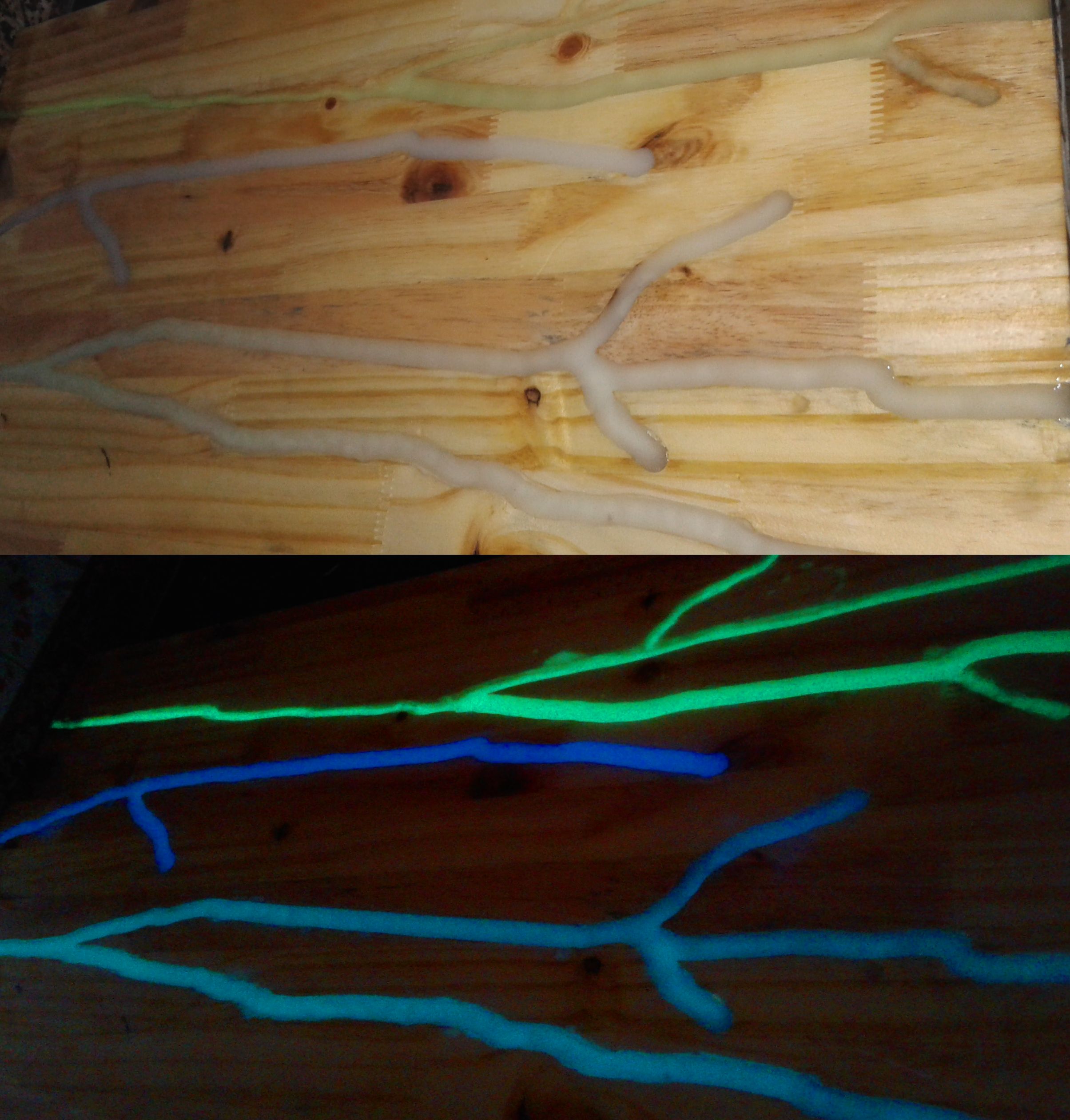
Reflective Glass Microbeads
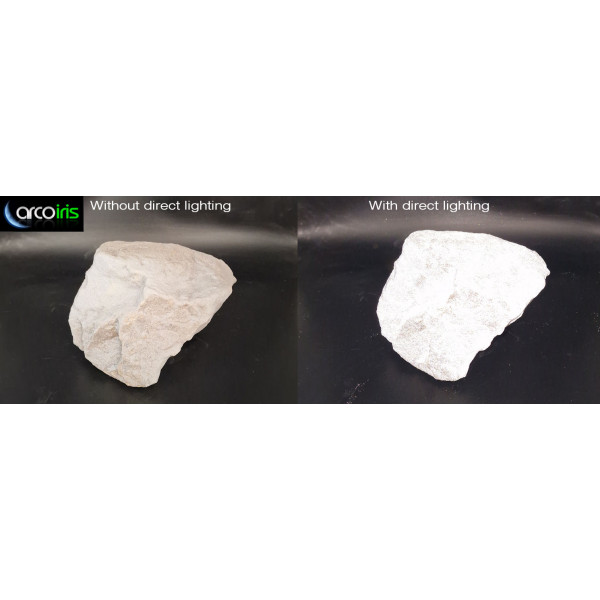
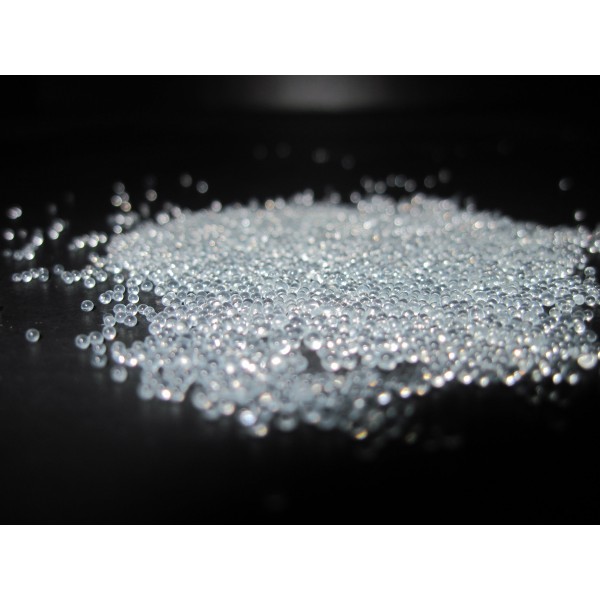
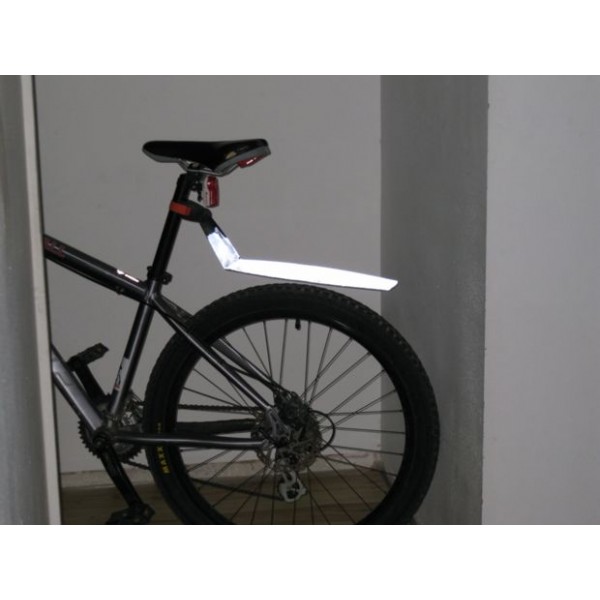
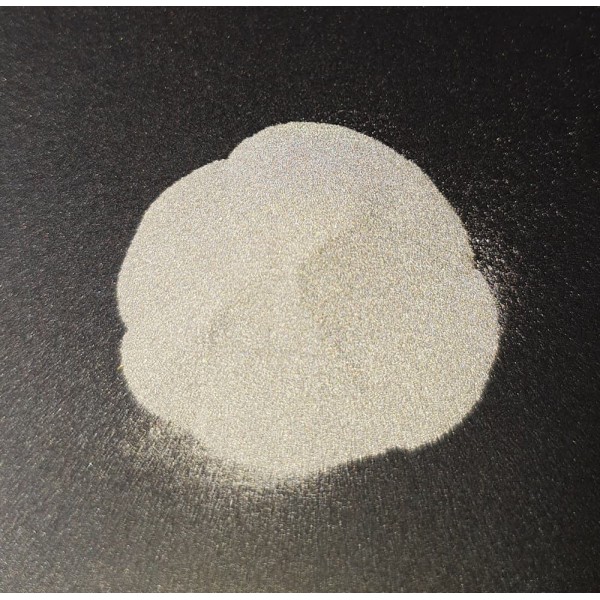
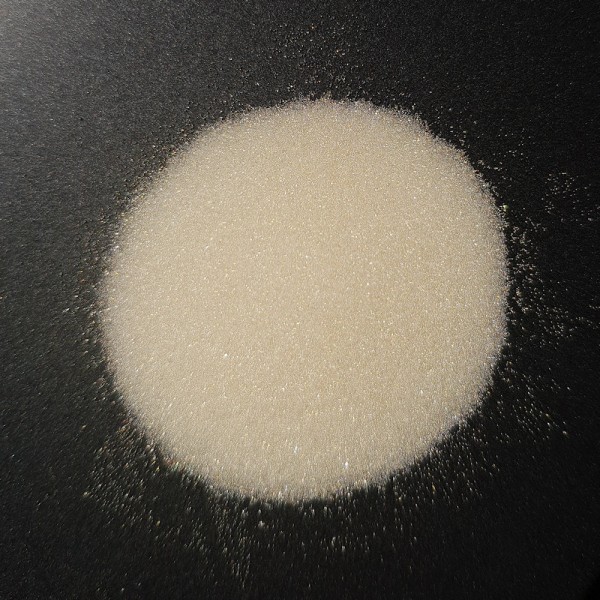
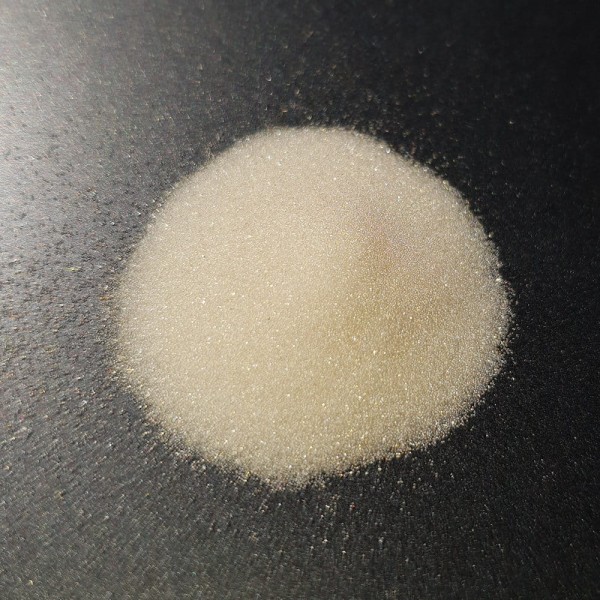
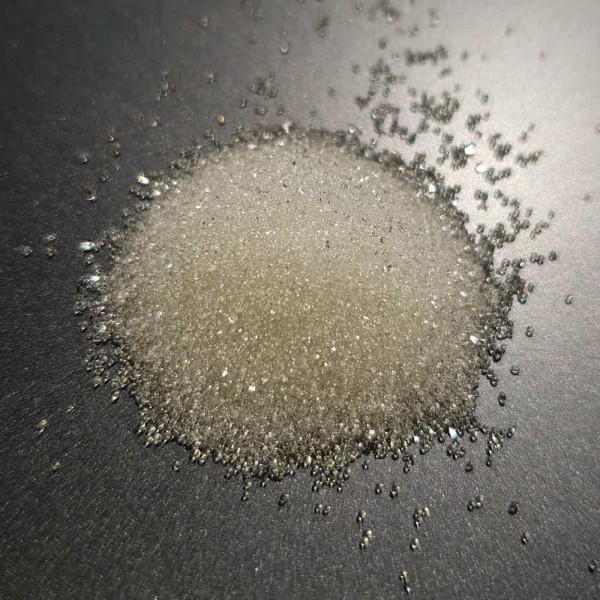


4 different versions in stock proposed
3 different pack sizes available, from 100g 1 kg to 5kg
 TDS Reflective Glass
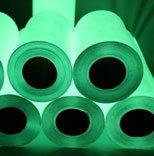
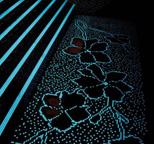
4 different versions in stock proposed
3 different pack sizes available, from 100g 1 kg to 5kg
TDS Reflective Glass
Made from pure glass, the microbeads are highly transparent and have the power to reflect light at night
When they are lit.
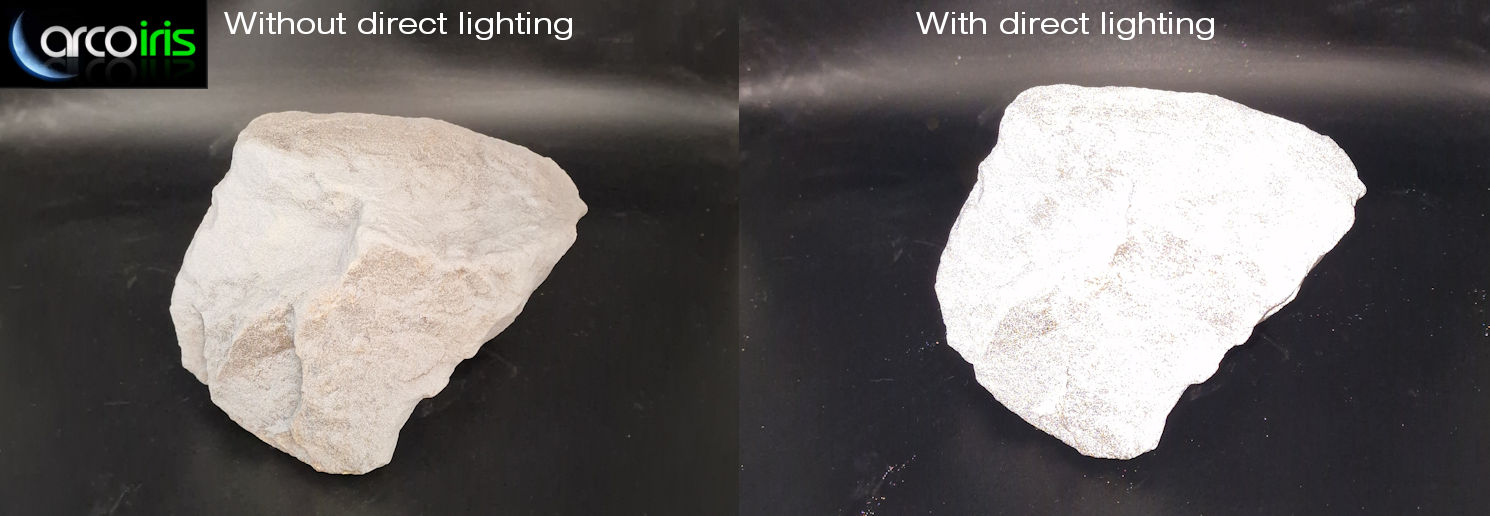
Choice of 4 versions:
- Bead from 60 to 80 µm Silver High Intensity
- Bead from 80 to 120 µm (strong index: >1.5)
- Bead from 180 to 300 µm (strong index: >1.5)
- Bead from 400 to 600 µm (strong index: >1.5)
*All the microbeads are in transparent glass except the 60µm silver microbead which has a silvery gray appearance
The high purity "sphere" versions have almost perfectly round shape. They are real microscopic beads, and produce a more powerful retroreflective effect.
Reflectivity index expresses the microbead efficiency and ability to reflect the light: The higher the index is, the more reflective the beads are.
This index depends on the purity, size and shape, and if they are free from air inclusions.
Our beads have a very high index.
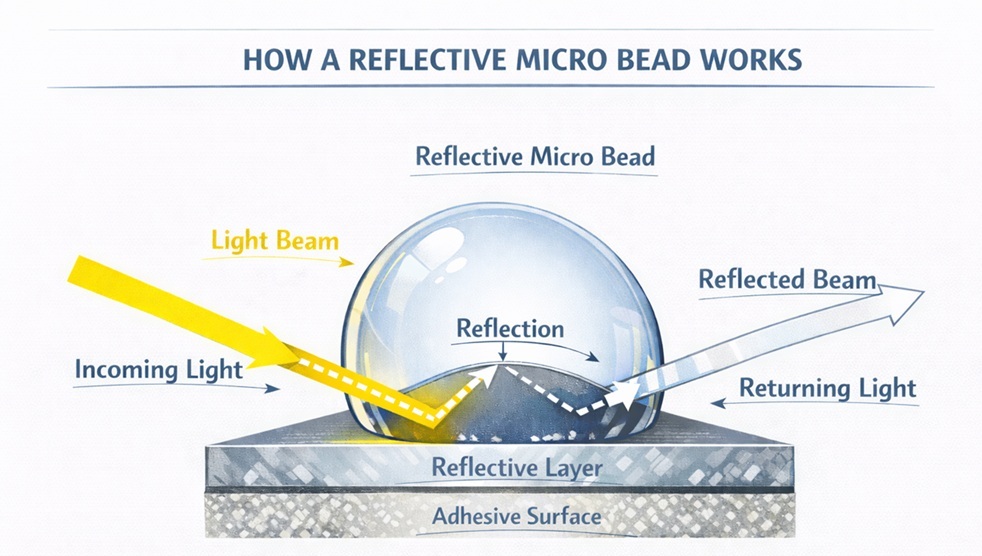
► How does the reflection of silver retro-reflective microbeads work?
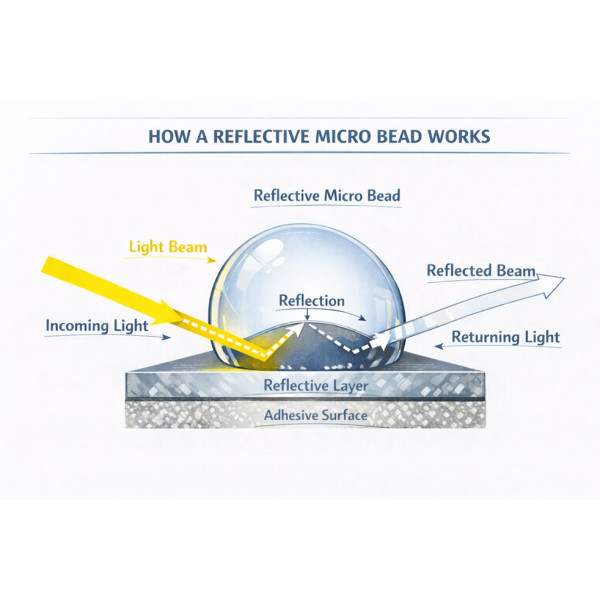
The reflection of silver retro-reflective microbeads does not work like a simple mirror. It is not a classic specular reflection: it is a return of light to its source, even if the angle of incidence varies.
A retro-reflective microbead works like a micro-lens + rear mirror.
It captures light, focuses it, reflects it, and sends it back to the source.
It is purely geometric and optical.
In more detail:
Structure of a retro-reflective microbead
A typical microbead consists of:
Common diameter:
50 µm to 1000 µm depending on use (signage, road markings, textiles, safety, etc.)
The optical mechanism (in 4 steps)
-Step 1 – Light entry
Light enters the bead.
Upon entry, it undergoes refraction (change of direction) due to the difference in refractive index between air and glass.
Typical refractive index of glass:
n ≈ 1.5 to 1.9 depending on the desired performance.
-Step 2 – Internal focusing
The spherical shape acts as a converging micro-lens.
The light is focused towards the back of the bead.
-Step 3 – Rear metallic reflection
At the rear, the metallised surface acts as a mirror.
The light is reflected.
-Step 4 – Exit and return to the source
The light passes through the bead again.
Thanks to the spherical geometry, it emerges almost in the direction from which it came.
This is retro-reflection.
Difference from other types of reflection
Type: Direction of reflection
Diffuse: (white wall) All directions
Mirror: Reflected angle = incident angle
Retro-reflection: Return to the source
That is why:
Metallised beads.
Without metallisation, some beads work by total internal reflection, but their effectiveness is lower.
Typical applications:
Application Instructions:
Sprinkle manually, or use a sieve, over wet/sticky paints. Allow the beads to adhere then remove or collect the excess.
Our microbeads can also be sprayed onto the surface with our powder spray pistol.
The background colour must be white so that the light can be reflected.
Microbeads must be half submerged, but never completely.
No customer comments for the moment.
Only registered users can post a new comment.